Communal Infrastructures 2026: reflections
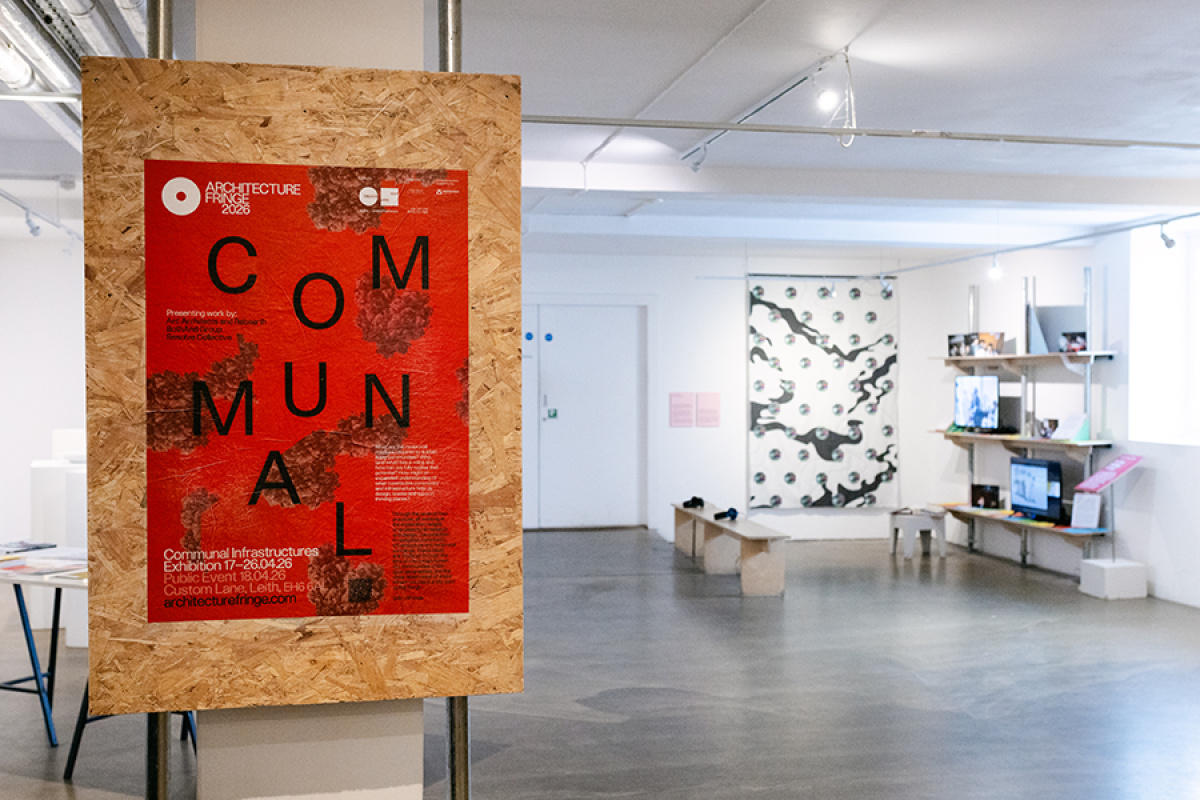
We are fresh from packing up a nearly 2 year collaboration with 4 wonderful practices; BothAnd Group, Arc Architects & Rebearth and Resolve Collective.
In late 2024, we commissioned the teams to develop a project that would respond to our 2025 festival provocation, Reciprocity. The project, intended to be a two phase research and design process, sought to present speculative future-facing prototypes of architectures which are collaborative, reciprocal, and transformational rather than extractive or transactional. In using the city (in its broadest sense) as a point of complex focus, interrogating ideas of transaction in architecture, this project was to imagine other ways of doing architecture that are reciprocal, ecologically regenerative, socially progressive, culturally enriching and civically ambitious.
BothAnd Group is a research-based design studio investigating the social, ecological and political forces that shape rural territories. They uncover, design for and translate these concerns through their work in the fields of architecture, landscape architecture and exhibition design. Their ongoing investigations include an examination of global food landscapes and indigenous land management practices.
Arc Architects and Rebearth specialise in new eco-buildings, vernacular materials, conservation of historic places, community regeneration, and research. Based in Cupar, Fife the practice their work seeks to transcend the normal range of architectural practice to encompass diverse creative and learning activities that help develop skills and deliver positive architectural, community and environmental outcomes.
Resolve Collective is an interdisciplinary design collective that combines architecture, engineering, technology and art to address social challenges. They have delivered numerous projects, workshops, publications, and talks in the UK and across the world, all of which look toward realising just and equitable visions of change in our built environment.
We approached the aforementioned practices to develop their understanding of the theme, through the lens of their work. Phase One formed part of our core programme for the AF2025 festival, initially titled as ‘Recipro-Cities’, where we establish each of the team's stance on the project and develop their ideas towards a final exhibition, which came together last month.
Hosted at Custom Lane in Edinburgh, the location for Phase Two allowed a different perspective for the teams to respond to, and affirm or adapt ideas that have come from their research in phase one.
The development of the teams projects formed the following;
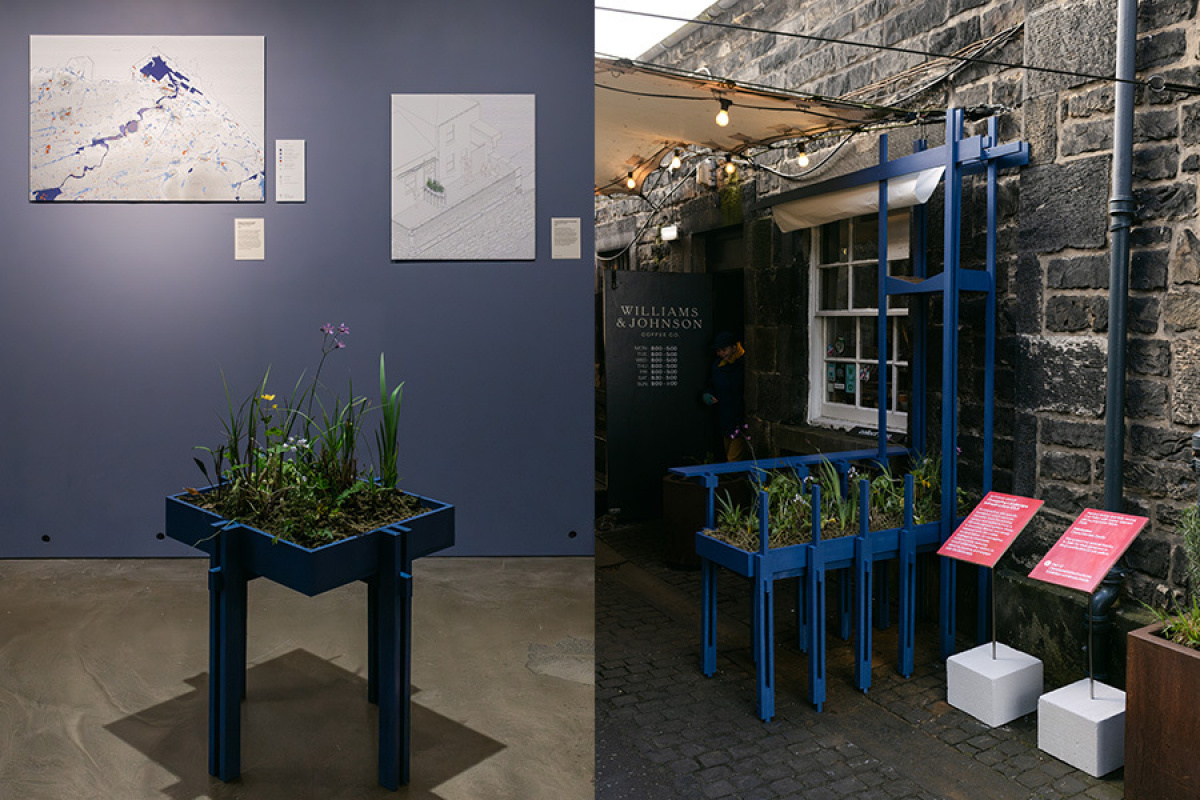
Occupying Landscape Infrastructure (OLI) tests a strategy to mitigate the effects of the climate crisis in Edinburgh’s public spaces through prioritising/reimagining landscape as infrastructure. It centres around the ecosystem of the courtyard, focusing on the impact of water in the city’s future: heavier rainfall and stormwater surges. It responds through a resilience-based approach that addresses climate conditions shaped by water. OLI consists of an external installation which presents a 1:1 small scale landscape infrastructure that captures rainwater from the existing canopy and redirects it away from hard surfaces into planted systems. These water-tolerant plantings absorb and filter runoff, slowing surface water flow and reducing pressure on conventional drainage. Designed for occupation, visitors can either sit or lean, allowing the infrastructure to become a part of the public space. Internally a brief paper exhibition compliments the external installation by examining Edinburgh’s dependence on hard, engineered infrastructure. It proposes how these systems could be augmented—or in some cases replaced—by softer, living alternatives capable of managing increased water volumes through plant material, enabling the city to adapt more effectively to changing climatic conditions. Public space must therefore consider not only who occupies it, but how occupation can coexist with the realities of the climate crisis.
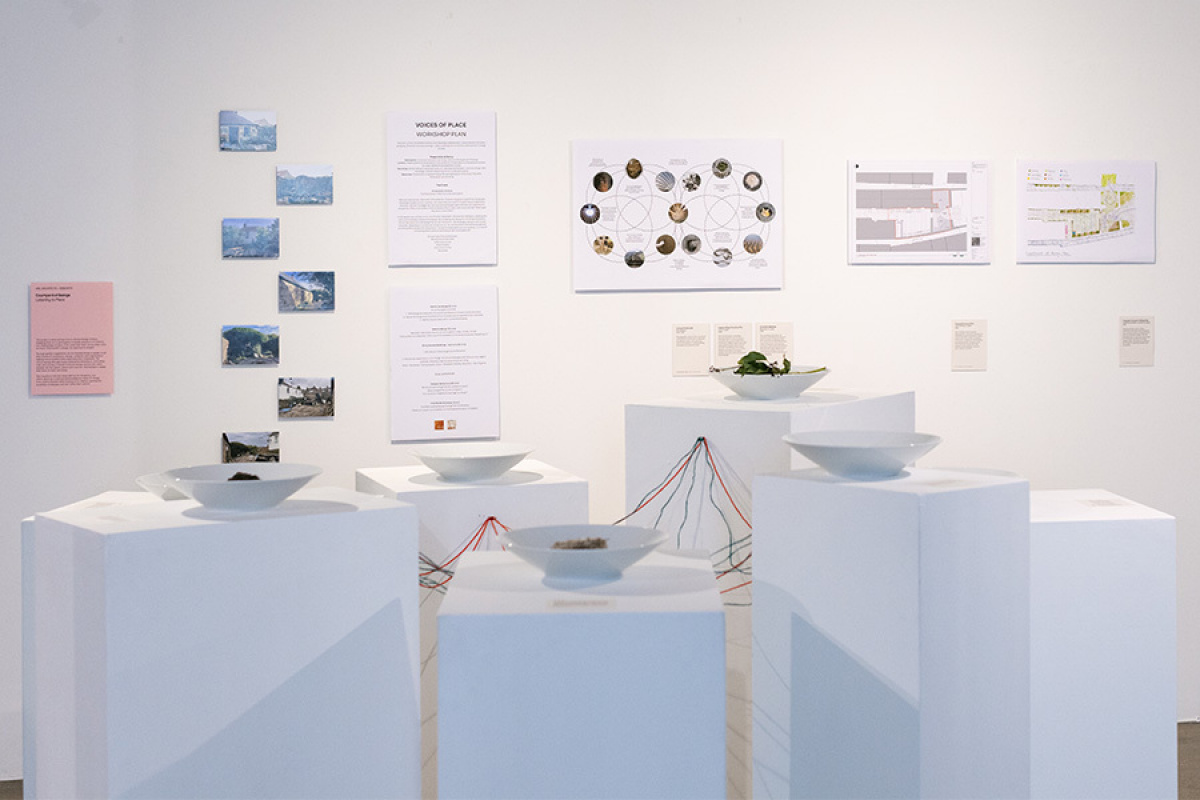
Courtyard of Beings is about giving voice to diverse beings of place, engaging them as co-participants in design practice to re-balancing our relationships of place. If we could hear their voices, what could we learn? How would it change our approach to design?
Through guided engagement, we are inviting beings to speak: to tell their stories of community, change, resilience, and regeneration, making voices audible while respecting their complexity. The voices emerge through human translators listening to, conversing with, and voicing on behalf of diverse beings such as soil, water, animals, the sky, plastic, plants and concrete. Attempting to engage with them on their own terms.
This requires a new and subtle skill set for designers, one which opens up reciprocal relationships as a basis for design. It de-centres humans while keeping us in relation, opening the possibility of dialogue and care rather than control.
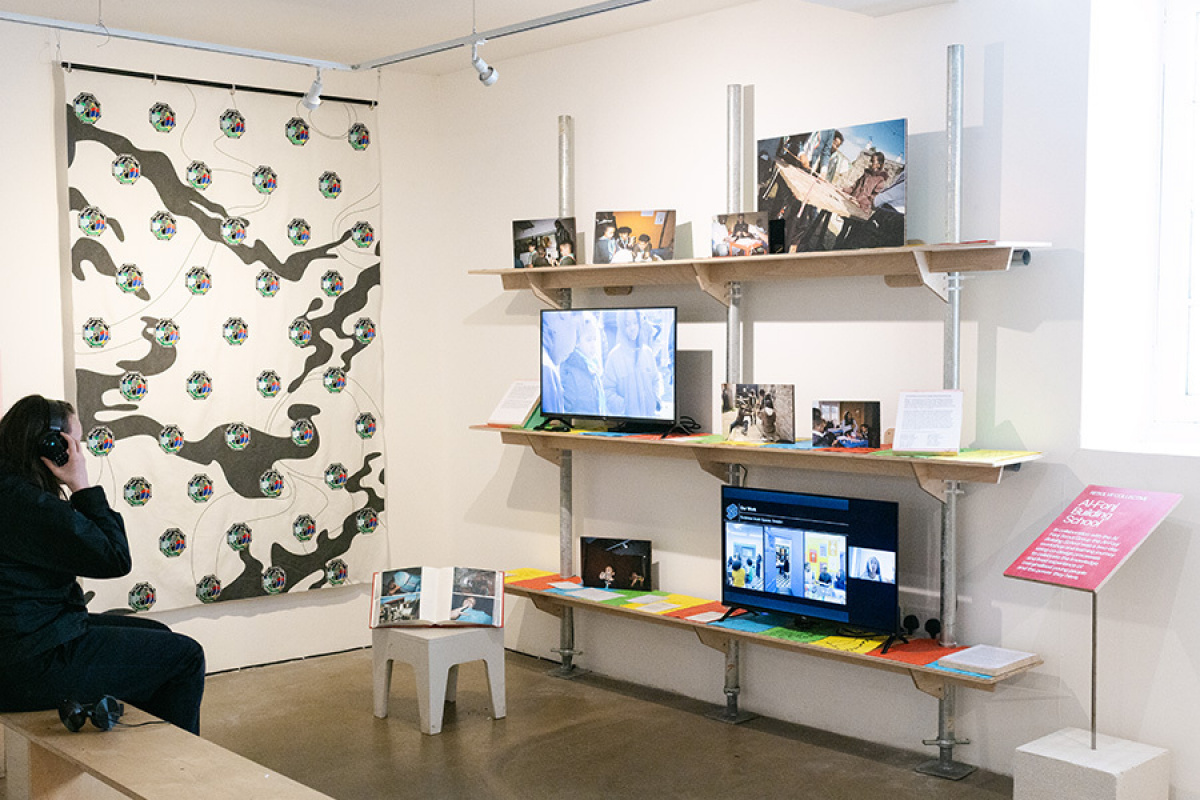
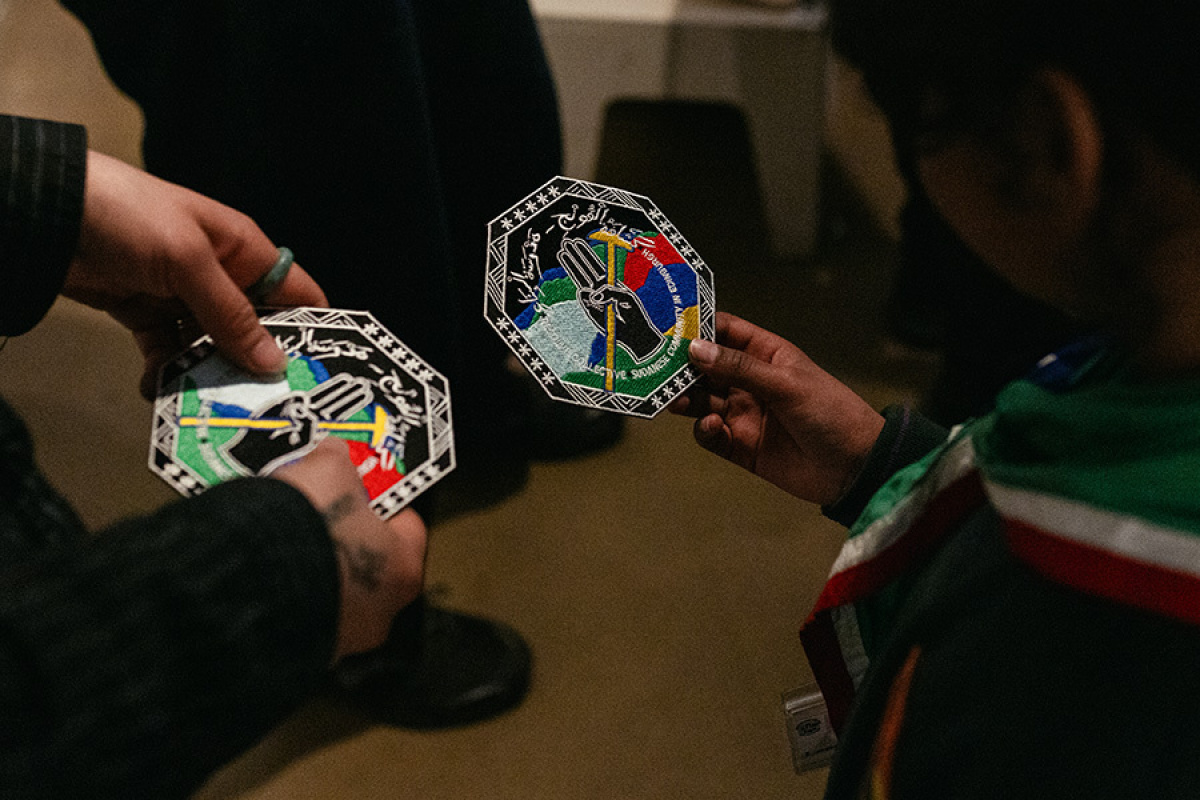
How might the local and diasporic knowledge of young people support exciting and alternative ways of preserving architectural and cultural heritage across global communities? Working in collaboration with the 20th AlFonj Scout Group – created with the support of The Sudanese Community in Edinburgh – RESOLVE Collective will be exploring this question in the contexts of Sudan and Scotland through a series of workshops and site visits for ArchiFringe 2025 Recipro-Cities.
A two-part workshop with AlFonj will centre a number of design and making skills, alongside methods that build on the existing knowledge of the young participants, both about their homes in Edinburgh and their heritage in Sudan. The project will investigate how spatial modes for gathering and solidarity might span across geographies, also incorporating RESOLVE’s ongoing work into trans-local community frameworks for resourcing and nurturing marginalised communities and organisations. It will culminate in a film documenting the journey, a series of co-built prototypes situated in a public space in Edinburgh, and a special “scouts badge” honouring the work of AlFonj!
Through these different responses, an opportunity arose to imagine a place that is built on care, connection and also asks the radical question; what if our cities were shaped by all the beings who hold them?
The reciprocal relationships between human, nature and geography, allowed us to reconsider the project slightly, renaming the project ‘Communal Infrastructures’ to reflect and capture the origins as well as the trajectory routes of each project.
The week long exhibition in Custom Lane was a celebratory event of the work the commissioned teams had produced, sharing with the local community; we were even able to host a badge presentation event to the 20th Al-Fonj Scout group on the Opening Night, whilst also welcoming along the extended community that have supported the Architecture Fringe to date.
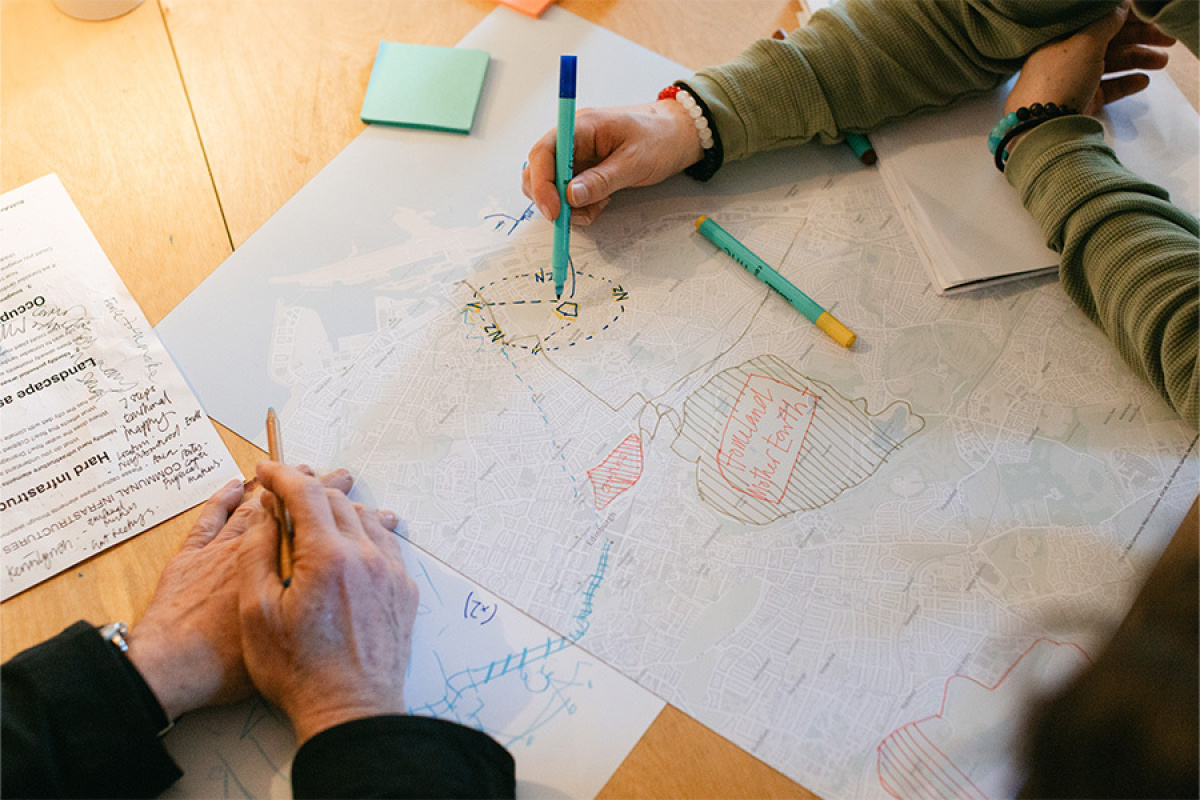
Alongside this, we were able to host Communal Synergies on the Saturday after the Opening Night; this allowed an audience further insight to the teams projects and through individual workshops, experienced their own connections to place and nature. It was wonderful to have a public, yet individual response to themes coming out of the team's work.
The Architecture Fringe team would like to thank the teams for such a considered approach to the project, along with the collaborators commissioned through their projects. We would also like to thank our wonderful community again for all your support, as well as Custom Lane for allowing us to have the gallery space for our exhibition and Theodora Van Duin for documenting the opening weekend and exhibition as a whole.
As a team, we are currently looking into how to best present and document the work produced and its development process, and will share more details on this as and when we have brought this together; so please do keep an eye on the website and our social media for more information on this. For now, you can still see the external installation from BothAnd Group in Custom Lane’s courtyard for an extended time.